Why Your Story Matters: Unfiltered Lessons from the Podcast Trenches
There was this moment in a Brazilian classroom—chalk dust settling and a substitute teacher asking, 'Hey, want to try something wild?' That's how Amy found her way into voice work, and—years later—how she ended up behind the scenes in podcast production, unlocking the kind of transformation most of us crave but rarely talk about. If you've ever wondered if your story is 'enough,' or if the world is waiting for something more dramatic, buckle up. We're going on a (slightly messy) ride through the power of authentic conversation—and why fifty downloads (or just your mom sharing on Facebook) might be all it takes to change a life. If you think this is just about getting more subscribers, think again. It's about resonance, vulnerability, and finding your people—even if you're not sure you have a story worth sharing yet.From Shy Voices to Studio Lights: How Personal Stories Find Their PowerWhen people ask me how I got into podcasting and audio storytelling, I always go back to a single, unexpected moment in my teenage years. I was sixteen, living in Brazil, and honestly, I was shy. My dad was a missionary, and I attended an American school there. I never imagined my voice would matter—let alone become the foundation for my career in Personal Branding Storytelling and Podcast Growth Strategies.A Chance Encounter: The Substitute Who Changed EverythingOne day, my math teacher was out, and a substitute stepped in. After class, he approached me—not to talk about equations, but with a question that would change my life: “Would you be interested in recording audio for an English language school project?” My first reaction was a hard no. I was nervous and had never done anything like that before. But something about the offer stuck with me. The next day, I found the courage to say yes.Stepping Into the Studio: Finding My VoiceThat “yes” led to my first real job: voicing a character for a series of English-learning textbooks. For months, I went into the studio, reading scripts and bringing a flat, illustrated character to life. I still remember the feeling of putting on those headphones, seeing the script, and realizing that my voice could help someone else learn a new language. As I recorded, I discovered the Storytelling Power of even the simplest lines. Suddenly, I wasn’t just a shy kid—I was a bridge between cultures, helping students in Brazil connect with English in a new way."I was a character in one of the textbooks... for months, I went in and recorded voice overs for this character and became this character."Lessons in Resonance: Why Every Story MattersWhat struck me most was how my voice—my inflection, my energy, my interpretation—made the story real for listeners. The character was just a drawing on a page until I gave it life. That was my first lesson in Podcast Editing Support and the magic of audio: stories are never flat when they’re told with authenticity. Even across language barriers, a real voice can make a real connection.Authentic storytelling is the heart of influential podcasts and brands. At So True Media, we’ve seen how conversation-driven stories spark growth, even when your audience is small at first.Sometimes, the most powerful moments come from unexpected opportunities—a substitute teacher, a random ask, a leap of faith.Every voice has power. Your story, told honestly, can resonate far beyond what you imagine.From Textbooks to Podcasts: Building a Brand on StoryThat first studio experience shaped everything I do now. It taught me that Personal Branding Storytelling isn’t about having the loudest voice, but about being real and present. Whether you’re just starting out or looking to grow, remember: the most influential podcasts are built on personal stories, told with courage and care. That’s how shy voices step into the studio lights—and find their power.Why Fifty Downloads Might Mean Everything (And Other Podcast Growth Realities)Let’s get real about podcast growth strategies: the numbers you see on your dashboard are only half the story. I remember launching my first episode and seeing just fifty downloads. At first, I felt a pang of disappointment—shouldn’t I want hundreds, even thousands? But here’s the truth: fifty downloads for a brand-new show actually puts you in a higher percentile of all podcasts. That’s not just a stat; it’s a sign you’re already ahead of the curve.The Myth of Numbers: Why Fifty Downloads Matter More Than You ThinkWe all get hung up on numbers. But imagine this: If you were to walk into a room in front of an audience and had the ability to hold the captive audience of fifty people... would you snub your nose at those fifty people and say this isn't enough? Of course not. You’d feel the energy, the connection, the possibility. That’s audience engagement—and it’s real, even if it’s “just” fifty listeners.Every download is a person who chose you over a million other distractions. That’s not small. That’s the beginning of audience connection, and it’s the foundation for everything that follows.Improv: What If a Single Listener Waited Four Years to Tell You Your Podcast Saved Their Day?Let me share a story that changed my perspective on podcast promotion and impact. I recently reconnected with a listener who had followed my journey for eight years. There was a four-year gap where we didn’t speak, but when we finally caught up, he told me something humbling: in his hardest times, he tuned in to my podcast, or caught a live video, and it was exactly what he needed to hear. I had no idea. That’s the power of showing up, even when you think no one’s listening. Sometimes your story is the lifeline someone needs, and you won’t know it until years later.Growth Is Contagious: How Friends and Family Spark Unexpected WavesIn the early days, it’s often your closest friends and family who are your first listeners. My mom was my #1 fangirl—always the first to comment, always sharing my episodes. It might feel small, but this is where podcast growth truly begins. When your inner circle shares your story, it ripples outward. Their friends become your listeners, and suddenly, your message is reaching people you’ve never met. That’s organic podcast promotion at its best.Real audience engagement starts with those closest to you.Personal stories, when shared, create exponential growth.Consistent, genuine connection is more powerful than chasing big numbers.So, the next time you see “just fifty downloads,” remember: those are fifty real people. Fifty stories. Fifty chances to make an impact. That’s how podcast growth strategies really work—one listener, one connection at a time.Impostor Syndrome, Authenticity, and the Odd Magic of Human ConnectionIf you’ve ever wondered whether your story matters, you’re not alone. Even after years of working behind the camera, producing podcasts, and helping others share their journeys, I still find myself wrestling with the same doubts: Is my story interesting enough? Do I really bring anything valuable to the table? The truth is, overcoming impostor syndrome is a continuous process—one that sneaks up on you at every level, no matter how much experience you have.The Insidious Ways Impostor Syndrome Shows UpImpostor syndrome isn’t just for beginners. It lingers, whispering that you don’t belong, even as you rack up results for clients or build a recognizable brand. For me, it often shows up in the quiet moments—when I realize I’ve spent so much time behind the scenes that people might not even know my face, or when I compare my story to those with dramatic, movie-worthy moments. The reality? Most of us live in the “Monday mundane,” and that’s where our most relatable stories are born.“There’s always this impostor syndrome, it exists for everyone no matter what. What I can say that I’ve learned over the years is just keep showing up, keep telling your story, keep being present for other people and keep building relationships.”Vulnerability, Healing, and Authentic ConnectionOne of the biggest lessons from the podcast trenches is that vulnerability is powerful—but only when it’s rooted in healing, not in seeking attention. Authentic connection happens when you share from a place of growth, not from a fresh wound. This kind of storytelling builds trust with your audience. It’s not about oversharing or trying to shock people into listening. Instead, it’s about letting others see the real, imperfect you and the lessons you’ve learned along the way.Active listening marketing is at the heart of this approach. When you genuinely listen to others and ask thoughtful questions, you create space for real conversations. That’s where loyalty and referrals are born—not from a perfectly polished pitch, but from honest, human connection.The 100 People Missions: Radical, Agenda-Free NetworkingOne of my favorite experiments in building relationships is what I call the “100 People Mission.” Every so often, I challenge myself to meet 100 new people in 90 days. I put my calendar out there for 30-minute connection calls—no agenda, no pitch, just a genuine desire to connect. I never know who will show up, but every single time, these calls lead to more business and more meaningful connections than any traditional sales effort ever could.Intentional Networking: The goal isn’t to sell—it’s to connect, learn, and help others.Building Relationships: After each call, I look for ways to connect people within my network, creating value beyond my own business.Authentic Connection: These conversations are about being present, sharing stories, and listening actively—no scripts, no pressure.Overcoming impostor syndrome, practicing authentic connection, and building relationships through active listening marketing aren’t just buzzwords—they’re the foundation of organic podcast and business growth. The odd magic happens when you show up, unfiltered and agenda-free, and simply connect as a human being.Conclusion: The Long Game—Relationships, Not AlgorithmsAfter years in the podcast trenches, one truth stands out above every growth hack and trending algorithm: real podcast growth strategies are rooted in authentic connection. It’s tempting to chase the latest platform tweak or viral moment, but I’ve learned—sometimes the hard way—that nothing replaces the power of genuine relationships.I’ll be honest: I’ve become numb to the endless pitches and transactional outreach that flood my inbox. Even when I try to keep an open mind, it’s hard to feel anything but detached when the focus is on selling, not connecting. What cuts through the noise isn’t a clever subject line or a perfectly optimized episode—it’s when someone shows up, listens, and cares about my story before sharing their own. That’s the foundation of every meaningful connection I’ve made, both on and off the mic.Here’s the thing: products, services, and even entire businesses come and go. Algorithms shift, platforms get acquired, and what worked yesterday might be obsolete tomorrow. But when you build your podcast—and your personal brand—around honest storytelling and real relationships, you’re playing the long game. If everything else disappears, you’re never starting from zero. You’ve got a tribe of people who know, like, and trust you. That trust is your safety net and your launchpad, all at once.I’ve seen it time and again: the hosts and brands who focus on personal branding storytelling and authentic connection are the ones who weather every storm. They don’t just have listeners; they have a community. And that community sticks around, even when the algorithms don’t.Want a practical test? Try the “coffee shop test.” If you’d share a story across a café table with a friend, it belongs in your next episode. Don’t worry if your story feels too ordinary—what’s most personal is often the most universal. When you lean in, listen, and invite others to share their stories, you create resonance. And that resonance is what keeps people coming back, episode after episode.Here’s my secret for every connection call: I listen more than I talk. I ask about their journey, their challenges, their dreams. I’m genuinely curious. Most of the time, I barely mention my own work. And you know what? Those are the conversations that turn into lasting relationships, collaborations, and sometimes, lifelong friendships. That’s the real engine behind sustainable podcast growth strategies.So, as you build your show, your brand, or your business, remember: algorithms will always change, but stories and relationships stand the test of time. Show up, listen deeply, and care about someone else’s story before your own. That’s how you build a podcast—and a legacy—that lasts.Full Podcast Episode Below:https://podcasts.apple.com/us/podcast/the-power-of-conversation-and-why-your-story/id1813053399?i=1000719948342TL;DR: You don’t need a gigantic audience or a rags-to-riches tale for your story to matter. Start speaking up. Authentic connections, not numbers, are what spark real growth—for your business and yourself.
Robert Wall
Nov 3, 2025 • 11 Minutes Read


Sep 8, 2025
The Unfiltered Truth of Value: Real Lessons from Go-Givers and Entrepreneurs
Let’s be honest—I never bought into the typical entrepreneur highlight reel. Late nights, lost deals, and that one time I nearly sent an invoice to the wrong client (oops)—it’s all part of the ride. This week, I was reminded why I fell in love with business thanks to the Go-Giver conversation with Bob Burg. Spoiler: The secret sauce isn’t a new marketing funnel or a productivity hack, but something messier and deeper—leading with value and real relationships. If you’re tired of the same old tips and crave some real, occasionally unpolished insight, welcome to the messy middle. Trading Spotlights for Service: The Go-Giver Mindset in Action Moving Past the Highlight Reel: Why Authenticity Trumps Posturing in Business If you spend any time in entrepreneurship circles, you’ll notice the endless highlight reels—polished wins, big launches, and carefully curated success stories. But the truth is, real value isn’t built in the spotlight. It’s forged in the moments when you choose authenticity over posturing. The Go-Giver principles, as outlined by Bob Burg, demand a shift from self-advancement to consistently giving immense value to others. This isn’t about self-sacrifice or being a pushover; it’s about showing up with genuine intent to serve, even when no one’s watching. I’ve learned this the hard way. Early in my journey, I was obsessed with “looking successful.” But the more I tried to impress, the less real connection I made. People can sense when you’re more interested in your own image than in their needs. The moment I started listening more and selling less, my business relationships—and results—changed dramatically. Shifting Your Focus from Getting to Giving: Lessons from My Own Missteps The core of the Go-Giver mindset is simple: shift your focus from getting to giving. In practice, this means constantly and consistently providing immense value to others. It’s not about grand gestures; it’s about daily actions. I remember losing a client over a $100 disagreement. Instead of arguing, I chose to serve them well until the very end. Months later, that same client referred me to a new customer—who brought in $5,000 of business. That experience drove home a Go-Giver truth: “Money is simply an echo of value. It’s the thunder to value’s lightning.” This isn’t magical thinking. It’s rational and logical. When you focus on discovering and serving the real needs, wants, and desires of others, you become someone people trust and want to work with. They become your “personal walking ambassadors,” spreading your reputation far beyond what you could accomplish alone. How Bob Burg’s Five Laws Play Out When You Least Expect It Bob Burg’s Go-Giver principles are built on five laws: value, compensation, influence, authenticity, and receptivity. Here’s how they show up in real business: Value: Your focus is on giving more in value than you take in payment. This means understanding what truly matters to your clients, not just what’s on your invoice. Compensation: Your income is determined by how many people you serve and how well you serve them. The more people you help, the more your business grows. Influence: Your influence expands as you put others’ interests first. People want to help those who help them. Authenticity: People do business with those they know, like, and trust. Authenticity is the antidote to business posturing. Receptivity: Giving and receiving are two sides of the same coin. Be open to receiving the rewards of your service. These laws aren’t just theory—they’re the backbone of sustainable Bob Burg entrepreneurship. When you least expect it, a simple act of service can lead to your biggest opportunities. The Difference Between Price and True Value—And Why It’s Tougher to Define Than You Think One of the most misunderstood concepts in business is the difference between price and value. Price is a number—a finite, dollar amount. Value, on the other hand, is the relative worth or desirability of something to the end user. It’s shaped by perception, emotion, and impact—sometimes all at once. Let’s say you hire an accountant who charges $1,000 to do your taxes. That’s the price. But if she saves you $5,000, gives you peace of mind, and frees up your time, the value you receive far exceeds what you paid. As Burg puts it, “If a customer can’t distinguish you from another provider, it’s always about price—but do you want to be the Walmart of your industry?” The real challenge is that value is subjective. It’s not just about the product or service, but the entire experience you create. The elements of value—how you listen, respond, and go the extra mile—are what set you apart. When you sell on price, you’re a commodity. When you sell on value, you become a resource. Go-Giver principles teach us that the spotlight is best traded for service. The more value you provide, the more the market rewards you—often in ways you never expected. Relationship ROI: From Meaningful Connections to Real Growth When it comes to building customer relationships, I’ve learned that the real return on investment isn’t found in business cards collected at networking events or in slick sales pitches. Instead, it’s rooted in a simple truth: “All things being equal, people will do business with… those they know, like, and trust.” This principle, echoed by Dale Carnegie and countless go-givers and entrepreneurs, is the foundation of every high-value business strategy I’ve seen succeed. Forget Networking Events: The Power of Know-Like-Trust Let’s be honest—most of us have attended networking events that felt more like speed dating than genuine connection. What matters far more is being seen as a trusted resource, not just another name in a Rolodex. In my experience, the “know-like-trust” dynamic is the real currency of nurturing client relationships. When you show up consistently, listen deeply, and put the client’s needs first, you become more than a vendor—you become a partner. But how do you actually build that trust? It starts with understanding that people act for their own reasons, not ours. As Carnegie taught, the key is to discover what your clients value—not what you think they should value. If a client doesn’t see the value in your solution, it’s as if the value doesn’t exist at all. This shift in mindset is what separates those who build lasting relationships from those who are seen as replaceable commodities. Practical Ways to Be a Resource (Even If You’re Not Flashy) You don’t need a flashy offer to stand out. In fact, some of the most successful business relationships I’ve built came from simply being helpful and attentive. Here are a few practical ways to be seen as a resource: Ask better questions: Go beyond surface-level needs. Dig into what’s really driving your client’s business, and listen for what isn’t being said. Tailor your value: Don’t assume you know what matters to your client. Customize your approach so it speaks directly to their current challenges and goals. Follow up with purpose: A quick check-in or sharing a relevant article shows you’re thinking about their success, not just your next sale. Be honest about limitations: If your solution isn’t the right fit, say so. This honesty builds trust faster than any sales tactic I’ve tried. Nurturing Client Relationships for the Long Haul: My Favorite Blunders and Happy Accidents Not every attempt at relationship-building goes smoothly. I’ve made my share of mistakes—like assuming I knew what a client needed without asking, or pushing a solution they didn’t value. One of my most memorable happy accidents came after I received negative feedback from a client. Instead of getting defensive, I sent a handwritten thank-you note, expressing my appreciation for their honesty. That client became one of my most loyal advocates, referring business for years. Sometimes, the best way to nurture a relationship is to show humility and genuine care, especially when things go wrong. Another lesson came from my friend Frank Fe Navarro, who used a “secret shopper” approach to reveal hidden gaps in customer experience. By recording his calls and presenting the real customer journey to CEOs, he helped them see problems they didn’t even know existed. This kind of insight—rooted in the client’s reality, not our assumptions—is what creates lasting value and trust. The Post-COVID Twist: Why Customers Crave Connection More Than Ever In the wake of COVID-19, post-COVID consumer behavior has shifted dramatically. The days of “click and buy” convenience are being replaced by a hunger for authentic connection and meaningful service. Consumers can spot inauthenticity from miles away. Today, nurturing client relationships means showing up with a long-term vision, truly caring about your clients, and providing more value than the payment you receive. This isn’t just good ethics—it’s a high-value business strategy for retention and growth. To serve your market well, you must know it inside and out. Learn the language, understand the pain points, and be ready to listen more than you speak. When you align your expertise with what your clients actually need—and communicate it in their language—you become indispensable. That’s the real ROI of relationship-building in today’s world.Beyond Hustle: Authorship, Adaptability, and the Real Value of ‘Extras’ When I first started working with course creators and coaches, I noticed a common theme: everyone was hustling, launching, and pushing, but few were seeing the consistent results they craved. The truth is, selling doesn’t have to feel heavy or exhausting. In fact, the most effective marketing techniques often come from stepping back, getting clear on your purpose, and building systems that quietly work in the background. But beyond systems and strategies, there’s a deeper layer to value—one that’s shaped by authorship, adaptability, and the small, human touches others overlook. Books as Positioning Tools: Why Your Words Outlive Your Business Card One of the most powerful lessons I’ve learned about business positioning came from the world of authorship. As Bob Burg once said, “A book really is a magnificent positioning tool.” It’s more than an ego boost or a vanity project. When you write a book, you’re not just sharing your message—you’re inviting people to see you as a trusted authority. Your words outlive your business card, your website, and sometimes even your current business model. I’ve seen entrepreneurs use their books to open doors to speaking engagements, media appearances, and partnerships they never imagined possible. The key is to get clear on your “why” before you start. Are you writing for legacy, for direct profit, or to position yourself as a thought leader? Each path shapes not just the content, but the impact your book will have on your business and your audience. Entrepreneurial Adaptability: How I Pivoted When Plan A Took a Nosedive Entrepreneurial adaptability isn’t just a buzzword—it’s a survival skill. I’ve had launches flop, strategies fail, and moments where Plan A was clearly not going to work. But every setback was an invitation to pivot, to try something new, and to listen more closely to what my clients and audience actually needed. Sometimes that meant becoming a “secret shopper” in my own business, experiencing my services from the customer’s perspective. Other times, it meant tailoring my language and offers to better fit the mindset of the people I wanted to serve. The entrepreneurs who thrive aren’t the ones who never fail—they’re the ones who adapt quickly, learn from every experience, and keep moving forward with authenticity and purpose. Entrepreneurial adaptability is about creative troubleshooting, not just resilience. It’s about seeing every challenge as a chance to refine your approach and deepen your impact. Customer Service Language: Small Tweaks, Big Loyalty It’s easy to overlook the power of language in customer service, but the words you choose can shape perceptions and outcomes in profound ways. I’ve learned that even the smallest tweaks—like changing “upsell” to “upserve”—can transform how clients feel about your offers. As I often remind myself and my team, “Let’s change the term from upsell to upserve.” This simple shift reframes the conversation from pushing products to genuinely serving needs. The same principle applies to every interaction, from your sales pages to your out-of-office replies. A thoughtful, well-written email can build more loyalty than a flashy marketing campaign. When you approach every touchpoint with empathy and clarity, you create experiences that clients remember and talk about. Why Value Sometimes Hides in the Details Others Overlook In the rush to scale and automate, it’s tempting to focus only on the big moves—the launches, the funnels, the next big thing. But real value often hides in the details: the handwritten thank-you note, the personalized follow-up, the out-of-office reply that makes someone smile. These “extras” aren’t just nice-to-haves; they’re strategic differentiators that set you apart in a crowded market. When you consistently look for ways to surprise and delight, you build relationships that last. The most effective marketing techniques are rooted in authentic communication and a genuine desire to give more than you take. In the end, the unfiltered truth of value is this: it’s not about hustling harder, but about showing up with intention, adaptability, and a commitment to serving others. Whether you’re writing a book, pivoting your business, or simply choosing your words with care, remember that the real value is often found in the extras—the small, human touches that make all the difference.TL;DR: Leading with value and genuine relationships isn’t just a feel-good idea—it’s the backbone of business growth, especially for entrepreneurs learning to adapt and serve in new ways.
12 Minutes Read

Aug 20, 2025
Breaking the "Recession-Proof" Myth: Real Strategies for Entrepreneurs Who Refuse to Fold
Have you ever had that moment—maybe sipping extra-bitter coffee, tallying up rising bills—when you wondered if 'recession-proof business' is just a clever marketing ploy? I sure did. After my third price hike in as many months, dodging vendor calls and fighting the urge to binge-watch Netflix instead of check the books, I realized this myth needed busting. But here’s what’s wilder: Some entrepreneurs don't just stay afloat in a downturn—they find ways to scale! Let’s strip the sugar-coating and talk about what actually works when the economy plays whack-a-mole with your business plans. Mindset Over Myth: What "Recession-Proof" Actually Means Let’s get real: the phrase “recession-proof” gets tossed around like a magic shield, as if there’s a secret formula that makes your business untouchable. But here’s the truth—there’s no such thing as bulletproof in entrepreneurship. If you’re looking for a Recession-Proof Mindset, it’s not about being immune to economic storms. It’s about resilience, adaptability, and a willingness to pivot, even when your plans get punched in the teeth. Forget Bulletproof: It’s All About Resilience Most people think a recession-proof business is one that never feels pain. That’s a myth. The reality? Every business faces challenges—rising costs, shrinking demand, supply chain chaos. What separates those who fold from those who thrive isn’t luck or a secret industry. It’s the ability to adapt. As I’ve learned (sometimes the hard way), resilience entrepreneurship is rooted in accepting change, not pretending you’re untouchable. There have been nights I lay awake at 2am, staring at the ceiling, convinced the end was nigh. The psychological toll is real. But here’s where the Recession-Proof Mindset kicks in: instead of spiraling, I grabbed a notebook, fueled by too much coffee, and started brainstorming. That’s when a new strategy emerged—one that actually worked. Mindset shifts aren’t magic, but they create space for possibility, not panic. Adaptability Beats Invincibility True “recession-proof” businesses focus on adaptability, not invincibility. It’s about having the tools, the mindset, and the willingness to adjust and pivot when things go sideways. Sometimes, that means raising prices to keep up with shipping or fuel costs. Sometimes, it means rethinking your entire business model. The point is, you don’t survive by standing still—you survive by moving, even if it’s uncomfortable. Resilience: Accepting that setbacks are part of the journey and bouncing back faster each time. Willingness to Pivot: Letting go of what “should” work and embracing what does work, even if it’s not what you planned. Proactive Attitude: Anticipating change and preparing for it, rather than reacting in panic. Scaling Mentally Before Scaling Your Business Here’s a hard truth: if you can’t scale mentally, you’ll never scale your business. Mindset shifts are central to entrepreneurial success, especially during downturns. I used to believe certain industries—like cosmetics or healthcare—were recession-proof. But the last few years have shown us that anything can happen. The real safety net is your mindset. If you develop a strong mindset then you'll never be emotionally bankrupt. That quote sticks with me. Emotional bankruptcy is just as dangerous as financial bankruptcy. When you’re emotionally spent, you can’t make clear decisions or spot opportunities. Developing a Recession-Proof Mindset means tolerating discomfort, acting with intention, and bouncing back—sometimes faster than you thought possible. Mindset Shifts: Creating Space for Possibility Mindset shifts aren’t about pretending everything is fine. They’re about acknowledging the fear, the stress, the “what ifs”—and choosing to act anyway. When you shift your mindset from “I hope nothing goes wrong” to “I’m ready for whatever comes,” you create space for innovation and growth. That’s the real secret to overcoming economic uncertainty. Recognize that downturns don’t last forever. Focus on what you can control—your actions, your attitude, your willingness to learn. Remember: resilience is a muscle. The more you use it, the stronger it gets. Wild Card: The Entrepreneurial Rollercoaster Picture the business world as a rollercoaster. Do you tense up on every drop, white-knuckling your way through the twists and turns? Or do you throw your hands up and ride, trusting your ability to adapt? The Recession-Proof Mindset isn’t about avoiding the ride—it’s about enjoying it, learning from every loop, and knowing you’ll be ready for the next climb. Much of “recession-proofing” a business is really about resilience and mindset—being able to bounce back, pivot, and not be paralyzed by fear. When you accept that discomfort is part of the entrepreneurial journey, you unlock the real power of mindset shifts for entrepreneurial success.Show Me the Money (and Keep It): Budgeting, Pricing & Negotiation When Every Penny Counts Let’s get real: in tough times, every dollar matters. I’ve learned the hard way that budgeting for small businesses isn’t just about spreadsheets—it’s about survival. When the economy tightens, your ability to adjust pricing, negotiate costs, and trim the fat can mean the difference between thriving and folding. Here’s how I keep my business lean, resilient, and ready for whatever comes next. Audit Everything: Subscriptions, Team, Tools, and “Must-Have” Apps I once did a subscription audit and discovered I was shelling out more on “bonus” streaming services than on actual business tools. Sound familiar? Streaming subscriptions alone can easily creep up to $150–$200 a month—rivaling those old cable bills we all ditched. And it’s not just Netflix and Disney+. It’s the random design app, the project management tool you barely use, and the “free trial” that’s now a $19.99 monthly drain. Quarterly (or monthly) expense reviews are non-negotiable for small business budgeting. Go line by line through your bank statement. You’ll be shocked at what you find. Ask yourself: Does this tool, app, or team member directly help me make money or save time? If not, it’s time to let it go—at least temporarily. Don’t overlook the little things: that daily coffee run adds up fast. Even “small” expenses become big drains over time. Pro tip: I’ve started treating my expense review like a game—how much can I cut without losing value? It’s oddly satisfying. When Costs Spike: Adjust Pricing, But Communicate Value Let’s talk about the elephant in the room: adjusting pricing. When costs go up—think shipping, raw materials, or even eggs—you can’t always absorb the hit. I’ve had to raise my prices before, and it’s never easy. The key? Transparency and education. Explain to your customers why prices are increasing. Most people understand that costs are rising everywhere, and honesty builds trust. Don’t just raise prices—add value. Can you offer better customer service, faster shipping, or a loyalty perk? Make your product or service feel worth every penny. Remember: “Recession-proof” doesn’t mean bulletproof. It means you’re willing to adapt, pivot, and keep your customers in the loop. Negotiate Like Your Survival Depends On It (Because Sometimes It Does) One of the most overlooked skills in effective budgeting is negotiating costs. Don’t just accept every vendor price hike as gospel. I’ve learned to pick up the phone and ask for a better deal—especially when times are tough. Ask vendors about discounts, flexible payment terms, or post-invoice credits. I once got a deduction on my next order just by asking. As one vendor told me: “Whenever I do get any type of invoice like that, they'll give me a deduction on my next order.” Shop around. Loyalty is great, but not if it’s costing you your margins. Don’t be afraid to renegotiate contracts, even mid-term. The worst they can say is no. Negotiation isn’t just about lowering costs—it’s about protecting your profitability and keeping your business alive. Trim the Fat, Protect What Returns Value During downturns, it’s tempting to cut everything. But smart small business budgeting means protecting what actually drives revenue. For me, that means: Evaluating my team: Who is essential? Who brings in revenue? Sometimes, I have to take on extra tasks myself for a while. Doubling down on the tools and resources that actually move the needle. If it’s not producing results, it’s gone. And here’s a sanity-saving tip: Don’t spiral over your investment statements every day. Sometimes, not looking is the best way to keep your head clear and your focus sharp. Key Takeaways for Budgeting, Pricing, and Negotiation Audit everything—subscriptions, team, tools, and expenses. Communicate price increases and add value for your customers. Negotiate with vendors and suppliers—ask for credits, discounts, or better terms. Cut waste, but protect what delivers real value. Cutting costs, managing cash flow, and being proactive about pricing and negotiation aren’t just recession strategies—they’re the foundation of a resilient business, no matter what the economy throws your way.More Than One Basket: Diversifying Revenue & Creative Customer Engagement Let me be honest: the myth of the “recession-proof” business is just that—a myth. I learned this the hard way when a massive sales downturn hit, and my supposedly stable business model started to wobble. But here’s the truth: the businesses that survive aren’t the ones with the best luck—they’re the ones that adapt, diversify, and double down on their relationships. If you want to build a business that can weather any storm, you need to think beyond your main product or service. You need to diversify revenue streams, embrace niche marketing, and get creative with customer engagement. During my own rough patch, I realized that waiting for “normal” to return was a losing strategy. Instead, I asked myself, “Are you going to pivot your business model? How have you worked on your branding so that your customers still want to buy your products and services from you?” That’s when I took a leap and launched a quirky niche product—edible glitter. It was a little weird, a little unexpected, but my regulars absolutely loved it. That oddball pivot didn’t just keep my business afloat; it opened up a whole new revenue stream and brought in a wave of new customers who were excited to try something different. This experience taught me that diversifying revenue streams isn’t just a buzzword—it’s a survival strategy. When you rely on a single source of income, you’re putting all your eggs in one basket. If that basket drops, you’re in trouble. But when you expand your offerings—whether it’s through subscription fees, new product launches, or creative services—you reduce your risk and keep your cash flow healthy, even when the market gets shaky. But it’s not just about launching more products. It’s about niche marketing and finding those pockets of opportunity that the big players overlook, especially during tough times. When larger competitors pull back, there’s often a gap in the market that you can fill by serving a specific audience with something unique. My edible glitter was a hit because it spoke directly to a niche group of customers who wanted to add a little sparkle to their lives—literally and figuratively. By focusing on what makes your brand different and communicating that value clearly, you can maintain—and even grow—your market share, no matter what’s happening in the broader economy. Of course, none of this works without strong customer relationship management. When things get rough, people remember who actually cared. That’s why I make it a point to reactivate my old database and over-communicate value. Sometimes, the best way to boost your bottom line isn’t by finding new customers, but by re-engaging the ones you already have. Reach out, check in, and remind them why they loved your brand in the first place. Offer them something new, something exclusive, or just a heartfelt thank you for sticking around. In uncertain times, loyalty is worth its weight in gold. Another key lesson: don’t be afraid to experiment and embrace ideas that might seem a little “out there.” The oddball pivot can become your new cash cow. If you’re feeling stuck, brainstorm with your team or even your customers. Ask what they’d love to see next. Sometimes, the best ideas come from the most unexpected places. And finally, keep a close eye on your expenses. I do a regular audit of my subscriptions and tools, trimming anything that doesn’t directly contribute to revenue or customer experience. Every dollar saved is a dollar that can be reinvested in innovation or customer care. In the end, building a resilient business isn’t about finding a magic formula for being “recession-proof.” It’s about staying agile, diversifying your revenue streams, nurturing your customer relationships, and communicating your value at every turn. Don’t wait for things to go back to the way they were. Expand your offerings, experiment boldly, and never underestimate the power of showing your customers that you care. That’s how you not only survive—but thrive—no matter what the economy throws your way.TL;DR: The 'recession-proof business' is part myth, part mindset, and definitely not just a shiny marketing label. Resilience, adaptability, and keeping an eagle-eye on your money, value, and customers are the real keys to making it through—and even scaling—when things get rocky.
11 Minutes Read

Aug 12, 2025
When Selling Feels Like a Soul Project: Realign, Reframe, Revive
Ever find yourself dodging the sales discussion—even though your business kind of depends on it? I used to break out in hives just thinking about making 'the ask.' Once, I actually apologized to a prospective client for my own prices (true story—will never do that again). Somewhere along the line, I picked up the idea that selling meant being sleazy, pushy, or, worst of all, inauthentic. Turns out, that’s the biggest myth of them all. Let's strip sales down to its core and see how it can become a soulful extension of your mission, not a necessary evil.1. The Not-So-Secret Shame: Why Sales Gets Under Our SkinLet’s be honest—sales has a reputation problem. I’ve felt it myself: that tightness in my chest when it’s time to talk about pricing, the urge to overdeliver just to avoid the “awkward” money conversation, and the fear that I’ll come across as pushy or fake. If you’ve ever undercharged, overgiven, or avoided making an offer altogether, you’re not alone. This is the not-so-secret shame so many entrepreneurs carry, often in silence.Why does this happen? For most of us, it starts with the myth of the manipulative salesperson. We’ve all been on the receiving end of high-pressure tactics—those “today only” deals, the fake scarcity, the robotic pitches that seem to care more about closing than connecting. It’s no wonder we promise ourselves, “I’ll never be like that.” But here’s what happens: in our effort to avoid being pushy, we swing too far the other way. We stop selling altogether, hoping our work will speak for itself.Overcoming Sales Fear: The fear of rejection is powerful. It whispers that if we ask for the sale, we’ll lose the relationship or be seen as greedy. So, we overgive, undervalue, and serve without ever actually selling. But this avoidance doesn’t lead to growth—it leads to burnout and resentment.Authentic Sales: The truth is, sales isn’t the problem, misalignment is. When we sell from a place that feels out of sync with our values, it feels wrong. But when we align our offer with our soul, sales can become an act of service, not manipulation.Sales Without Manipulation Tactics: It’s possible to sell without resorting to pressure or tricks. Genuine connection is the antidote to sales shame. When we approach sales as a conversation, not a conquest, we create space for real transformation—for ourselves and those we serve.Sales isn't the problem, misalignment is.If any of this sounds familiar, know that you’re not broken—you’re just ready for a new way. The journey to overcoming sales fear starts with reframing what sales can be: authentic, aligned, and free from manipulation.2. Four Pillars of Soulful Selling (Plus a Tangent About My Dog’s Vet)When it comes to Soulful Selling Principles, I’ve learned that the real magic happens when you sell from a place of genuine alignment and care. It’s not about pushing products or chasing conversions—it’s about showing up with heart, clarity, and trust. Here are the four pillars I teach:Sell from Overflow, Not ObligationIf you’re offering from burnout or fear, people sense it. The most powerful Authentic Sales Strategies come from overflow.“It’s not about the pitch, it’s about the presence behind the pitch.”Clarity Over ConversionThe second pillar is clarity. When you focus on who your offer is truly for (and who it’s not for), your true audience will self-select. You’re not chasing a sale; you’re inviting the right people in. Building Trust in Sales starts with being honest about fit.Communicate Transformation, Not FeaturesNo one cares about how many modules your course has or how many calls they’ll get. What matters is how their life or business will change. Transformational Selling Techniques are about painting a vivid picture of the outcome, not the process. Who will they become on the other side?Build Trust Before the TransactionRelationships come before funnels. The best sales process isn’t a sequence of emails—it’s a genuine connection.“The best sales process is not the funnel, it’s the relationship.”Tangent: Sometimes, the most powerful sales moments are unscripted. Like the time a barista convinced me to try oat milk—her honest enthusiasm changed my morning routine forever. That’s the heart of soulful selling: honest, human moments that build trust and spark transformation.3. Sales Alignment Therapy: A Reframe for the Subconscious SaboteurLet’s get honest: you will only attract clients at the level of your own personal belief system. If you’re secretly thinking, “I’m too expensive,” or “Success will cost me my peace,” your nervous system will quietly sabotage every opportunity that could prove you wrong. Even the best sales strategies collapse if your energy and self-belief are off-kilter. This is where Sales Alignment Therapy comes in—a blend of mindset shifts for successful selling and practical energy work that’s often overlooked in traditional business advice.At the Branding Collaborative, we believe soulful sales starts with subconscious rewiring. You can’t build a business that heals others if you’re still wrestling with wounds you haven’t addressed. That’s why our approach to Sales Energy and Client Attraction is rooted in alignment therapy, not just strategy. Here are some simple, heart-centered rituals to help you realign and show up more powerfully:Voice Memo Your Pitch: Record yourself talking about your offer as if you’re sharing it with a friend who truly needs it. Then, listen back. Does your voice sound desperate or devoted? Pushy or passionate? This exercise reveals the energy behind your words and shows where you might need a shift.Ground Yourself Before Calls: Before any sales conversation, try this mantra: “May this be a space for truth, trust, and transformation, not pressure, not proving.” This simple reframe can transform your sales energy and help you attract clients who are aligned with your purpose.Audit Your Offer’s Energy: Review your last offer. Did it excite you, or did it leave you feeling exhausted? Your sales energy sets the thermostat for your business—clients can sense when you’re out of alignment.And here’s a wild card: imagine if your dog (if you have one) were your ‘sales spirit animal.’ How would it sell? Probably with pure excitement and loyalty—no anxiety, no apology. That’s the energy of true client attraction.Soulful sales starts with subconscious rewiring.4. Not an Ending: Your Brand as Bridge, Your Offer as Lifeline (Plus a Permission Slip)When I first heard the phrase, “When aligned, your offer becomes a lifeline,” it struck me deeply. In the world of Personal Branding for Entrepreneurs, this isn’t just a catchy line—it’s a call to realign, reframe, and revive how we approach sales. When our offers are truly aligned with our values, they stop being mere transactions. They become lifelines, invitations to transformation, and the energy we bring is the bridge that connects where our clients are to where they’re meant to go.Your brand is not just a logo or a tagline. It’s the living, breathing bridge that helps people cross from their current struggles to their next breakthrough. “Your brand becomes a bridge from who they are to who they're becoming.” This is the heart of Authentic Sales and Aligning Offers with Personal Values. You’re not just selling a ticket to a destination—you’re guiding them on a journey, walking beside them as they grow.It’s easy to hide behind overthinking, undercharging, or waiting for the “perfect” moment. I know, because every year I have to check myself on these habits. But here’s the truth: Sales isn’t something you do to people; it’s something you do for them. Offers that are deeply aligned become magnetic, not manipulative. This is where Personal Branding shines—when you show up boldly, speak your truth, and serve with heart, you create trust-based relationships that last.So here’s your wild card: Write yourself a literal permission slip. Give yourself full permission to stop undercharging, overthinking, and hiding. Sign it. Stick it on your wall. Let it remind you every day that you are allowed to show up fully, to price your offers in alignment with their true value, and to sell with soul. This is what Sales Techniques look like when they’re rooted in authenticity and courage.This isn’t the end of your sales journey—it’s a new beginning. Your brand is the bridge, your offer is the lifeline, and you have full permission to serve boldly. Go ahead. Permission granted.TL;DR: The heart of sales is alignment—ditch the scripts and sell from your soul. Focus on building trust and serving your clients, and your business (and peace of mind) will thank you.Free Course on the Soul of Sales
7 Minutes Read
Aug 7, 2025
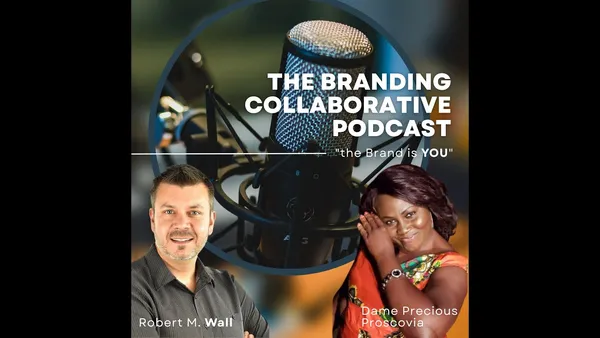
Rethinking Hope: Passion, Pain, and the Unorthodox Paths of the Precious Kids Foundation
Here’s an honest confession: not every world-changer sets out with a detailed plan. Sometimes, the most moving acts of generosity come out of heartbreak, stubborn hope, and doing things that just make people raise an eyebrow. Think about the last time pain gave you an idea—now imagine that spark becoming a globe-spanning project. That’s the wild journey behind Precious Kids Foundation (PKF), where every hard moment is reworked into something defiantly hopeful for orphans and children in Uganda.When Opportunity Knocks, Answer with Heart: The Imperfect Start of Precious Kids FoundationFrom Uganda to the US: How Chance and Hardship Shaped Precious Proscovia’s JourneyThe story of the Precious Kids Foundation (PKF) begins long before its official launch in 2017. It is rooted in the life of Dame Precious Proscovia, who was born and raised in Uganda before moving to the United States in 1999. Her early years were marked by struggle, growing up in a single-parent household with limited resources. These experiences shaped her empathy for orphans and impoverished communities in Uganda.After arriving in the US, Precious seized every opportunity that came her way. She pursued education, eventually becoming a neuroscience nurse and behavior psychology specialist. Her journey was not just about personal advancement—it was about equipping herself to serve others. As she often recalls, a mentor once told her, “Poor means Passing Over Opportunities Repeatedly.” For Precious, every chance was a call to action, especially when it came to supporting orphans and kids in need.Personal Losses Turned Fuel for Global ActionPrecious’s commitment to service deepened through personal adversity. Between 2015 and 2017, she faced a series of devastating losses: her father, aunt, and grandmother all passed away within months of each other. These tragedies could have marked an end to her dreams, but instead, they became the catalyst for something greater.She often shares the prayer that guided her through these dark times:"But I always pray Lord don't let this pain go to waste use it for your glory."Rather than letting grief consume her, Precious transformed her pain into purpose. She had already been supporting orphans in Uganda since 2006, but these losses inspired her to formalize her mission. In 2017, she founded the Precious Kids Foundation, determined to turn setbacks into a source of hope and empowerment for others.From Passion to Prevention: A New Model for EmpowermentDrawing on her expertise as a neuroscience nurse, Precious recognized that true change required more than charity—it required empowerment. She shifted the foundation’s focus from simply providing for orphans to empowering entire communities through medical care and education. Her medical background taught her a crucial lesson: prevention is better than cure. This philosophy became the cornerstone of PKF’s outreach in Uganda and across Africa.The foundation’s mission evolved to address not only the immediate needs of orphans and kids but also the underlying health challenges facing impoverished communities in Uganda. By combining her medical knowledge with her passion for advocacy, Precious built a team capable of delivering rarely accessible medical care to those who needed it most.The First PKF Medical Camp: No Safety Net, Just Heart and GritThe launch of PKF’s first major medical outreach in 2018 was anything but easy. There was no safety net—just Precious’s unwavering drive and a willingness to risk everything for her cause. She recalls:"I emptied my savings account, I emptied my 401k... we're gonna do something about it."With limited resources and a small team of volunteers, PKF set up its first medical camp in rural Uganda. The results were nothing short of remarkable:4,700 patients received free medical careOver 1,000 dental extractions performedBabies delivered safely, all at no cost to familiesThis outreach was not just about numbers—it was about restoring dignity and hope to communities that had long been overlooked. The camp became a turning point, proving that even imperfect beginnings can lead to extraordinary impact when fueled by heart and purpose.Imperfect Starts, Lasting ImpactThe Precious Kids Foundation’s journey is a testament to how personal adversity can spark global change. From a single mother’s struggle in Uganda to large-scale medical empowerment for orphans and impoverished communities, PKF’s story is built on the belief that every setback can be transformed into a new beginning. Through courage, compassion, and a refusal to let pain go to waste, Precious Proscovia and her team continue to answer opportunity’s call—one imperfect step at a time.Beyond the Logo: Mindset, Heart Set, and the Real Ingredients of EmpowermentWhen people think of branding, the first images that come to mind are often logos, color schemes, and catchy taglines. But for the Precious Kids Foundation (PKF), branding goes far deeper. It is not just about how an organization looks, but about who it is and why it exists. The true foundation of PKF’s work in education medical care and empowerment initiatives is built on three pillars: mindset, heart set, and skill set. These elements shape not only the organization’s identity but also its impact on healthier kids and communities.Branding Beyond the Surface: Knowing Who You Are and Why You CareMany organizations focus on external branding—logos, marketing materials, and public messaging. While these are important, PKF believes that real branding begins internally. As one leader at PKF puts it,"Branding actually is a self-actualization that you eventually project onto whoever gets to see or get to know about you." This means that the most powerful brand is not just what people see, but what they feel and experience through consistent, meaningful actions. PKF’s ethos is rooted in self-awareness and a clear personal mission. The organization encourages everyone—staff, volunteers, and the children they serve—to recognize their own stories, strengths, and motivations.Mindset: The Power of Self-Awareness and ChoicePKF’s approach to empowerment initiatives starts with mindset. In classrooms, clinics, and community gatherings, PKF teaches that everyone has the power to make different choices, no matter what life has handed them. This is especially important for orphans and vulnerable children, who often face significant setbacks. By helping individuals recognize their circumstances and become self-aware, PKF enables them to turn challenges into opportunities for growth and impact.Recognize your starting point: PKF encourages honest reflection on where you are in life and what you have experienced.Embrace opportunities and setbacks: Every experience, good or bad, can be used for personal benefit and growth.Make empowered choices: Mindset training helps children and communities see that they can shape their own futures.Heart Set: Purpose, Passion, and the Drive to Make a DifferenceWhile mindset is about awareness and choice, heart set is about what drives a person forward. PKF’s programs are designed to help individuals discover their passions and sense of purpose. This is not just about finding a job or learning a skill—it’s about connecting with what truly matters. Heart set fuels the desire to help others, to pursue education, and to seek better health for oneself and the community.Discover your passions: PKF workshops and coaching sessions help children and adults identify what excites and motivates them.Connect to a mission: Every PKF initiative, from medical care to business support inspiration, is rooted in a deeper sense of purpose.Build resilience: A strong heart set helps individuals persist through challenges and setbacks.The Neuroscience Connection: Prevention at the CorePKF’s focus on healthier kids and thriving communities is deeply influenced by neuroscience and medical knowledge. Drawing from experience in neuroscience nursing, PKF’s leadership emphasizes that “prevention is better than cure.” This philosophy shapes every aspect of their work, from health education to early intervention programs.Education medical care: PKF teaches children and families about healthy habits and disease prevention, not just treatment.Empowerment through knowledge: By sharing information and skills, PKF helps communities take control of their own health and well-being.Long-term change: Prevention-focused programs create lasting impact, reducing the need for emergency interventions and building a foundation for healthier futures.Projecting the Brand ‘You’ Through Consistent ActionFor PKF, the real brand is not just a logo or a slogan—it is the sum of every action taken in service of children and communities. By focusing on mindset, heartset, soulset, and skill set, PKF projects a brand of true empowerment. Every interaction, lesson, and act of care is a reflection of their core values, inspiring others to join in the mission of building healthier, more empowered lives.Unlikely Lifelines: From PenPal Programs to Donating Real Estate — How Anyone Can Join the MissionThe Precious Kids Foundation (PKF) has always believed that hope can take root in the most unexpected places. What began as a deeply personal mission—driven by loss, resilience, and a nurse’s commitment to prevention—has grown into a movement that welcomes support in the most creative and unconventional ways. Today, PKF’s reach extends far beyond traditional charity, inviting anyone, anywhere, to become a lifeline for vulnerable children in Uganda. Whether through the PenPal program, donating real estate, or advocating for orphans, the foundation proves that every effort, no matter how unorthodox, can move the needle for child health and education.The PKF PenPal Initiative: Building Global BridgesPKF’s PenPal program is more than just an exchange of letters. It is a bridge connecting Ugandan children and families with supporters around the world, fostering cultural exchange, empathy, and mutual understanding. Through this initiative, children in Uganda not only improve their language and communication skills but also gain a sense of belonging to a global community. For many international participants, the PenPal program offers a window into the daily lives, dreams, and challenges of Ugandan youth, making the cause of advocating for orphans deeply personal.The impact of these connections is profound. Supporters often become long-term advocates, helping fund education, healthcare, and basic needs. In return, they receive heartfelt stories and updates, reminding them that their involvement is making a real difference. This cultural exchange goes beyond charity—it builds relationships that change lives on both sides of the world.Donating Real Estate: Unconventional Giving, Lasting ImpactWhile many think of donations in terms of money, PKF has pioneered a new approach: donating real estate. This inventive channel for community involvement has allowed the foundation to expand its reach and sustain its programs in ways that traditional giving cannot always achieve. Real estate donations have been used to build clinics, schools, and safe spaces for children, providing a foundation—literally and figuratively—for long-term change.These gifts are transformative. A donated plot of land can become the site of a new medical camp, where volunteer healthcare professionals from Uganda and abroad provide free treatment to thousands. As one PKF leader, a neuroscience nurse, put it:"We want to actually go out and help people from a preventative measure because remember now I am a neuroscience nurse...they train us that prevention is better than cure."By turning property into opportunity, PKF ensures that every resource is used to its fullest potential, sustaining healthcare for kids and building hope from the ground up.Advocacy and Wild Ideas: Why Every Voice MattersPKF’s story is a testament to the power of advocacy. Monthly campaigns raise awareness about child health, education, and the ongoing needs of orphans in Uganda. But advocacy is not just about spreading the word—it’s about inspiring action. Whether it’s organizing a local fundraiser, sharing stories on social media, or volunteering healthcare skills in Uganda, every effort counts.The foundation encourages supporters to think outside the box. Wild ideas—like starting a PenPal club at a local school, or donating a family property to fund a new clinic—have become unlikely lifelines for children in need. PKF’s openness to unconventional support means that anyone, regardless of background or resources, can join the mission and make a tangible impact.Conclusion: Hope, ReinventedThe journey of the Precious Kids Foundation is a reminder that hope is not a one-size-fits-all solution. It is built on passion, shaped by pain, and fueled by the willingness to try something new. Through the PenPal program, real estate donations, and a spirit of global advocacy, PKF invites everyone to become part of a story that is still being written. In the end, it is these unlikely lifelines—born from creativity and compassion—that ensure no child is left behind, and that the mission of advocating for orphans in Uganda continues to grow, one bold idea at a time.TL;DR: The Precious Kids Foundation redefines charity by turning personal pain into source material for hope, building healthier communities through unorthodox, heartfelt action.
11 Minutes Read
Aug 7, 2025
Rebuilding Alignment: How Broken Moments Spark Genuine Growth
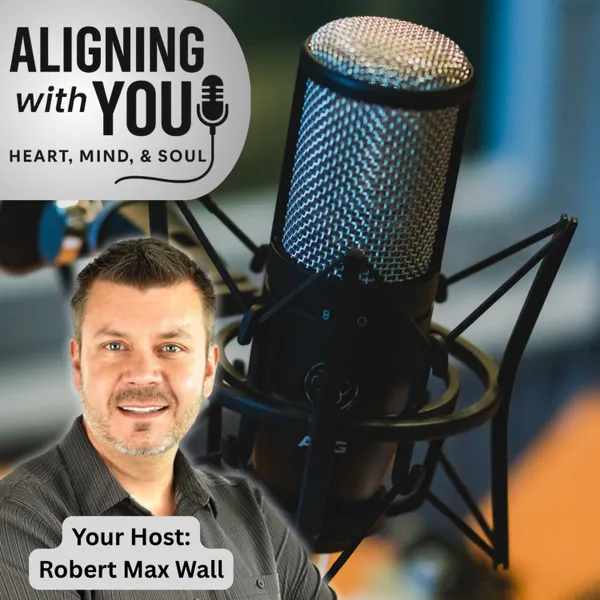
Have you ever built your life brick by intentional brick, only to stare at it one quiet morning and wonder why satisfaction slips through the cracks? I know the feeling, all too well—because the very idea of alignment, the thread running through my story, was forged in the most unexpected heartbreak. In this post, I peel back the curtain on the inaugural "Aligning with You" episode, not just to share polished highlights, but to explore what happens when success unravels and you have to rebuild from the inside out. (Confession: it's a little messy. And a lot transformative.)The Myth of Success: When Picture-Perfect Isn’t EnoughFor years, I chased what most people would call success. I was the youngest chamber of commerce president in Michigan, running two profitable businesses before July 5, 2001. On paper, my life looked perfect—trophies on the shelf, titles on my resume, and a calendar full of well-lit rooms and important meetings. But inside, something was missing. The truth is, success isn’t just about what you achieve; it’s about how you feel inside those achievements.There’s a common belief that if you work hard enough, collect enough accolades, and build a strong enough brand, you’ll finally feel fulfilled. But that’s the myth. Authenticity in branding and life isn’t about curating a flawless image. It’s about the alignment of your heart, mind, and soul. And sometimes, it takes a broken moment to realize just how out of sync you really are.When Achievement Isn’t AlignmentDespite my business wins and prestigious roles, there was an undefined hollowness that crept in. I remember the day my daughter Lizzie was born. Professionally, I was at my peak. Personally, I was utterly unprepared for what came next. That day, in a quiet hospital hallway, I had a conversation that changed everything. It was the moment my heart cracked open and my ego was shattered. I realized that external achievement does not equal internal fulfillment."Success was tangible. My why felt unstoppable, but then came the words that knocked the air out of my chest."That hallway conversation forced me to confront the gap between who I was on the outside and how I felt on the inside. My heart, mind, and soul were not in alignment. I was performing, not embodying. I was building a brand and a business, but I wasn’t building myself.Personal Alignment: More Than a StrategyOn the Aligning With YOU! Podcast and in countless conversations, I’ve learned that true alignment isn’t something you can strategize your way into. It’s not about the stories you tell or the strategies you follow. It’s about when your heart, mind, and soul stop fighting with one another and start walking in rhythm. It’s when your purpose and your presence finally match up. That’s when authenticity in branding and life becomes real.But here’s the hard truth: alignment often comes after things fall apart. For me, everything had to break before it could fall into place. Only then did I begin the long journey back to who I was meant to be. When I started aligning from the inside out, everything shifted—how I led, how I loved, and how I showed up in every room. Not perfectly, but honestly and powerfully.Success isn’t just about trophies, titles, or well-lit rooms—it’s how we feel inside them.External achievement ≠ internal fulfillment; alignment is personal, not performative.Heart Mind Soul Alignment is the foundation for genuine growth and authenticity in branding and life.Defining Moments: From NICU Shadows to the Light of Lizzie’s LegacyThe birth of a child is supposed to be a moment of hope and celebration. When Lizzie arrived on July 5, 2001—seven weeks early—I thought I was prepared. After all, her older sister had also been premature. I was no stranger to the NICU, and I believed that my previous experience had prepared me for whatever might come. But nothing could have readied me for the silence that filled the delivery room that day. There was no cry, no joyful announcement—just the urgent movements of a medical team, the steady beeping of monitors, and a heavy uncertainty that settled over everything.Those first moments were a blur of fear and confusion. Then, finally, a small cry broke through the silence. It was weak but determined, as if Lizzie herself was saying, “I wasn’t ready for this world yet, but here I am.” That sound was a lifeline. Yet, only thirty minutes later, I was called into the hallway. The words from the doctors cut deep: Lizzie had complications they had never seen before. Her joints were segmented, her bones underdeveloped, cataracts clouded her eyes, and her internal organs faced countless challenges. In that moment, I was told she was terminal. The world seemed to stop.Despite the prognosis, Lizzie survived for two and a half miraculous years. She couldn’t walk, talk, or see. She was fed through a G-tube and needed constant care. But her presence was undeniable. Lizzie became a source of light for everyone who met her. As I navigated the trauma of premature birth and the ongoing challenges in the NICU, I learned life lessons that changed me forever. Overcoming personal loss and grief is never simple, but Lizzie’s story showed me that even the most broken moments can spark genuine growth.Support for grieving parents is often spoken about in hushed tones, but the reality is that families like mine need community, understanding, and space to process. Lizzie’s siblings, our blended family, and everyone who came into her orbit felt her impact. She taught us about resilience and the power of presence. As I held her hand, time seemed to freeze. There was pain, yes, but also a deep sense of grace. In those quiet moments, I found a new kind of strength—one rooted in vulnerability and love.“Lizzie witnessed to more people than most do in a lifetime. She became a missionary of light. Her life preached louder than words ever could, and people were changed just by being near her in her presence.”Lizzie’s brief but luminous life became the spiritual center of my own journey. The lessons from the NICU and the trauma of premature birth shaped my understanding of purpose and alignment. Finding purpose after loss is not about moving on, but about carrying forward the legacy of those we love. Lizzie’s legacy continues to inspire transformation, reminding me—and others—that even in the darkest shadows, there is light.From Shattered to Aligned: Why I Coach, Mentor, and Podcast NowAfter losing Lizzie and walking through the darkness of divorce, I found myself stripped of everything I thought defined me. Ego, image, and distraction had been my shields, but in the aftermath, those masks fell away. Realignment wasn’t a choice—it was a necessity. I had to rebuild from the inside out, learning that radical transformation stories often begin in the most broken places. My journey is proof that personal growth through adversity is not just possible, but powerful.By the grace of God, and with the steady love of my wife Kelly, our blended family, and a few trusted friends, I slowly climbed out of that darkness. Today, I am beyond grateful for our two beautiful daughters, and for my older children from my first marriage, who carry Lizzie’s spirit forward. Our blended family is a living legacy—a daily reminder that even after loss, life can be rebuilt with love and purpose.Lizzie’s life taught me more than any book or seminar ever could. She had no words, no mobility, no sight, and yet she changed lives and glorified God. That realization left me with no excuses. If Lizzie could impact the world with so little, what was stopping me, with all my faculties and resources? Her legacy became my call to action: to move toward those in need, to speak truth, and to witness what truly matters."Alignment is when your heart, mind, and soul stop fighting with one another, and they start walking in rhythm. It’s when your purpose and your presence finally match up."I used to be known as “the branding guy.” I loved helping people build brands, but over time, I realized that most branding problems weren’t about logos or marketing—they were about identity, integrity, and building a life anchored in authenticity. That’s when my focus shifted from branding for image to coaching for creatives and entrepreneurs who are seeking real alignment. Because a real, aligned life matters more than any polished brand ever could.This is why I launched my weekly podcast on alignment, “Aligning with You.” It’s not just about sharing stories or strategies—it’s about creating a space where heart, mind, and soul can finally move in rhythm. Each week, I bring radical transformation stories and honest conversations with leaders, creatives, and everyday people who have walked through fire and come out more aligned. We talk about the messy middle, the sacred wins, and the practical steps to realignment.I also created the brandingcollaborative.com">Alignment Starter Kit as a free resource for anyone ready to begin their own journey. Whether you’re a creative, an entrepreneur, or simply someone searching for more, these tools are designed to help you take the next step toward a life that’s rooted in who you truly are.I believe in alignment because I’ve lived without it—and I know the difference. My mission now is to help others build not just brands, but lives that are honest, powerful, and fully aligned.Wild Card: What If Lizzie Could Whisper Advice to Us?Imagine for a moment that Lizzie—who could not speak, walk, or see—could whisper advice directly into our hearts. What would she say about living fully, even when life feels broken or unfair? I often wonder about this, especially when I reflect on the lessons her life has taught me. If Liz, with all her limitations, could change lives and glorify God, what excuses do I have? What excuses do any of us have, really?Real stories like Lizzie’s remind me that aligning heart, mind, and soul is not about perfection. It’s about movement, however awkward or creaky it may feel. Alignment isn’t a puzzle you solve once and for all; it’s more like tuning a guitar after a long road trip. The strings are tight, maybe even out of tune, but with patience and intention, you can bring them back into harmony. That’s what genuine growth looks like—messy, sometimes uncomfortable, but deeply necessary.If Lizzie could speak, I think she’d urge us to trust your guiding spirit, especially in moments of adversity. She might say that the real work of aligning heart, mind, and soul happens not when everything is easy, but when we’re forced to rebuild after something breaks. She would remind us that every limitation is also an invitation—to lean into what we do have, to love boldly, and to serve selflessly."You see, Liz couldn't walk, but I can move toward those in need. She couldn't talk, but I can speak truth and encouragement. She couldn't see, but I can witness what matters and point others towards hope."That’s the wild card Lizzie offers us: the realization that with all our faculties, resources, and health, we have every reason to live fully. Her life is a gift I cannot repay, but I can honor it by refusing to let excuses keep me from realignment. When I feel out of tune—spiritually, emotionally, or mentally—I remember that growth starts with small, honest steps. Sometimes it’s as simple as reaching out, speaking up, or seeing the good in someone else.So, what if Lizzie could whisper advice to us? I think she’d say: Don’t wait for perfect conditions. Don’t let your broken moments define you. Instead, use them as the spark for genuine growth. Trust your guiding spirit, even when the path is unclear. Let your heart, mind, and soul move together, imperfectly but intentionally, toward what matters most.As we close this journey, I invite you to reflect on Lizzie’s perspective. Let her story be the nudge you need to tune your own life, to seek alignment, and to move toward others with hope. If you’re ready to go deeper, explore resources like the Alignment Starter Kit at brandingcollaborative.com—your first step to realignment in business and in life. Because if Lizzie could inspire change without words, what might you accomplish if you truly listened to your own guiding spirit?TL;DR: If you've ever felt 'off' despite doing everything right, this outline tracks the path from outward success through personal loss to authentic alignment. Real stories—like Lizzie's—demonstrate that the heart, mind, and soul must move in harmony for real change to take root. Tune in for a podcast that offers depth, healing, and unapologetic honesty about what it means to truly live aligned.
11 Minutes Read